Semiconductor construction depends on tightly controlled processes in which also a small chemical leak, contamination event, or tools failure can impact product high quality and manufacturing continuity. As fabs end up being more automated and processes need progressively high-purity chemicals, reliable tool isolation has come to be an integral part of facility and equipment design. Shutoff Manifold Boxes (VMBs) give an organized means to manage chemical circulation, isolate person devices, and assistance maintenance without needlessly interfering with the broader distribution system.
A VMB generally arranges shutoffs, piping links, sensors, and related parts within a controlled unit. By separating and controlling chemical paths, the system permits operators and upkeep teams to separate a particular procedure tool or section of piping when intervention is needed. This approach can enhance both functional security and general devices accessibility.
Exactly How Valve Manifold Modern Technology Sustains Device Seclusion

Tool isolation begins with the capability to manage chemical circulation exactly. Shutoff manifolds give assigned seclusion points that can shut down the chemical supply to individual tools or process sections. As opposed to stopping an entire chemical distribution network, drivers can isolate the damaged location while various other equipment proceeds operating.
This setup is especially beneficial in fabs where numerous process devices rely on a shared chemical distribution framework. Appropriately made valve manifolds can offer clear flow paths and organized valve setups, making seclusion procedures a lot more predictable. Automation can even more boost this process by integrating valves with sensors and control systems that offer functional standing details.
Seclusion additionally helps reduce the potential spread of a trouble. If maintenance is needed or an abnormal condition is detected, turning off the appropriate chemical branch can restrict the damaged area and help secure bordering equipment. To understand even more at https://www.chengweisemi.com/product/.
Sustaining Much Safer and More Effective Upkeep
Upkeep is an inescapable component of UHP Chemical Dedelivery Cabinet production, however inadequately intended treatment can produce significant security and manufacturing obstacles. Device seclusion offers maintenance workers a defined area of the chemical system to work with while lowering direct exposure to active procedure lines.
Before upkeep begins, the appropriate shutoffs can be placed into the required isolation state according to the fab's established treatments. Depending upon system layout, pressure monitoring, leakage detection, and other instrumentation can give added info concerning the condition of the isolated area.
An efficient manifold configuration can also streamline troubleshooting. Clearly identified shutoffs and connections make it simpler for technicians to understand the pertinent chemical pathway and perform maintenance successfully. Faster and more controlled maintenance can contribute to much shorter tools downtime.
Attaching Seclusion to Manufacturing Uptime

Safety and security and uptime are carefully linked in semiconductor manufacturing. An unsafe or unchecked chemical occurrence can cause equipment closures, contamination, prolonged upkeep tasks, and production losses. Efficient seclusion helps in reducing the range of these disturbances.
For example, if an issue takes place at one procedure device, separating that tool's chemical supply can permit technicians to investigate the problem without always taking unconnected tools offline. As soon as maintenance is finished and the system has passed the called for checks, the separated branch can be returned to service.
This discerning approach sustains functional continuity. As opposed to treating a chemical distribution problem as a facility-wide disturbance, fabs can handle it as a local maintenance event whenever system style and safety and security treatments permit. The result can be improved equipment schedule and more foreseeable production planning.
Automation, Tracking, and Trustworthy Isolation
Modern VMB systems can integrate automation to enhance exposure and control. Sensing units might check parameters such as stress, flow, leakage, or shutoff status, while PLC-based control systems can collaborate selected features and offer info to drivers.
Automation does not change appropriate operating procedures or design controls. Instead, it can supply an extra layer of details and control. When an uncommon condition is found, checking systems can assist operators recognize the afflicted section faster and initiate the proper reaction.
For UHP chemical applications, material option and system tidiness are similarly important. Elements and piping need to be created to lessen contamination risks while preserving compatibility with the chemicals being handled. Electropolished 316L stainless-steel elements, proper installations, controlled assembly methods, and ideal surveillance innovations can all add to system reliability.
Verdict
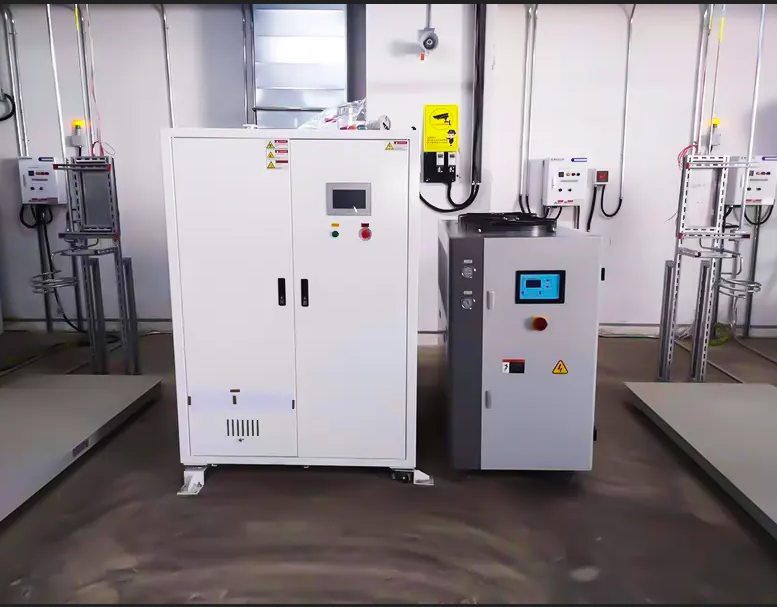
Device seclusion is greater than a maintenance benefit; it is a vital aspect of safe and reliable semiconductor chemical handling. Valve Manifold Boxes help offer controlled isolation factors, organized chemical pathways, and opportunities for tracking and automation. By permitting specific devices or system areas to be separated, VMB technology can sustain safer upkeep while reducing unneeded interruptions to other manufacturing devices.
When incorporated with ideal engineering, leakage detection, automation, high-purity materials, and regimented operating treatments, device isolation can assist semiconductor fabs accomplish a useful equilibrium between chemical security, equipment protection, maintenance effectiveness, and manufacturing uptime.